

Concrete driveways are generally more durable and require less maintenance over time than asphalt. Paver driveways offer high durability and customizable design, but may need periodic upkeep. Asphalt is less expensive initially but has a shorter lifespan and higher long-term maintenance costs. For homeowners in Murfreesboro, choosing the right driveway material is a key decision that affects both property value and long-term satisfaction.
Comparing Durability of Concrete, Asphalt, and Paver Driveways
Lifespan Overview
Concrete driveways typically last for decades with minimal repairs, making them a long-term investment. Asphalt driveways, while less expensive to install, usually have a shorter lifespan and may require resurfacing every few years. Paver driveways, constructed from interlocking blocks, often last the longest and can handle heavier loads when installed properly. Their modular construction allows for individual units to be replaced without disrupting the entire surface.
Resistance to Weather and Heavy Loads
Concrete handles freeze-thaw cycles well and can support heavy vehicles, making it ideal for residential and commercial properties alike. Asphalt is more susceptible to cracking in cold weather and may deform under significant weight, especially in regions with fluctuating temperatures. Pavers excel in areas with heavy traffic, as damaged sections can be replaced individually without affecting the entire driveway. Additionally, pavers provide excellent drainage and resist pooling water better than concrete or asphalt, reducing the risk of erosion and surface wear.
Durability Comparison Table
| Factor | Concrete | Asphalt | Pavers |
| Lifespan | Long | Moderate | Very Long |
| Cracking Risk | Moderate | High | Low |
| Weather Resistance | High | Moderate | High |
| Load-Bearing Capacity | High | Moderate | Very High |
During a recent audit of a firm in Murfreesboro, concrete driveways showed fewer cracks than neighboring asphalt installations, highlighting their strength under heavy use. This makes them a reliable option for areas with fluctuating weather or frequent vehicle traffic.
Maintenance Requirements
Typical Maintenance Tasks
A concrete driveway generally requires only occasional sealing and minor crack repairs. In contrast, asphalt needs regular sealing every few years and consistent crack patching to stay smooth. Paver driveways demand joint sand replacement, leveling, and occasional sealing to maintain their appearance. While pavers may need slightly more attention, their modular design makes repairs easier and less expensive over time than resurfacing an entire asphalt or concrete surface.
Maintenance Frequency Comparison
- Concrete: Low maintenance, occasional sealing
- Asphalt: Moderate to high maintenance, frequent sealing
- Pavers: Moderate maintenance, targeted repairs
Maintenance Comparison Table
| Task | Concrete | Asphalt | Pavers |
| Cleaning | Low | Moderate | Moderate |
| Sealant Needed | Every few years | More frequent | Optional |
| Repair Ease | Moderate | Moderate | Easy |
A business in Murfreesboro reported that its concrete driveway required far less intervention over a decade compared to neighboring asphalt driveways. The reduced maintenance not only saves money but also preserves the driveway’s appearance and functionality.
Cost-Effectiveness Analysis
Installation Costs
Concrete has a higher upfront cost than asphalt but lower long-term maintenance needs. Asphalt is less expensive initially but may require more frequent repairs and resurfacing over time. Pavers are the most expensive to install due to labor and materials, but their aesthetic appeal can significantly increase property value. The visual impact of pavers, including color patterns and textures, makes them an attractive choice for homeowners seeking both function and style.
Long-Term Costs
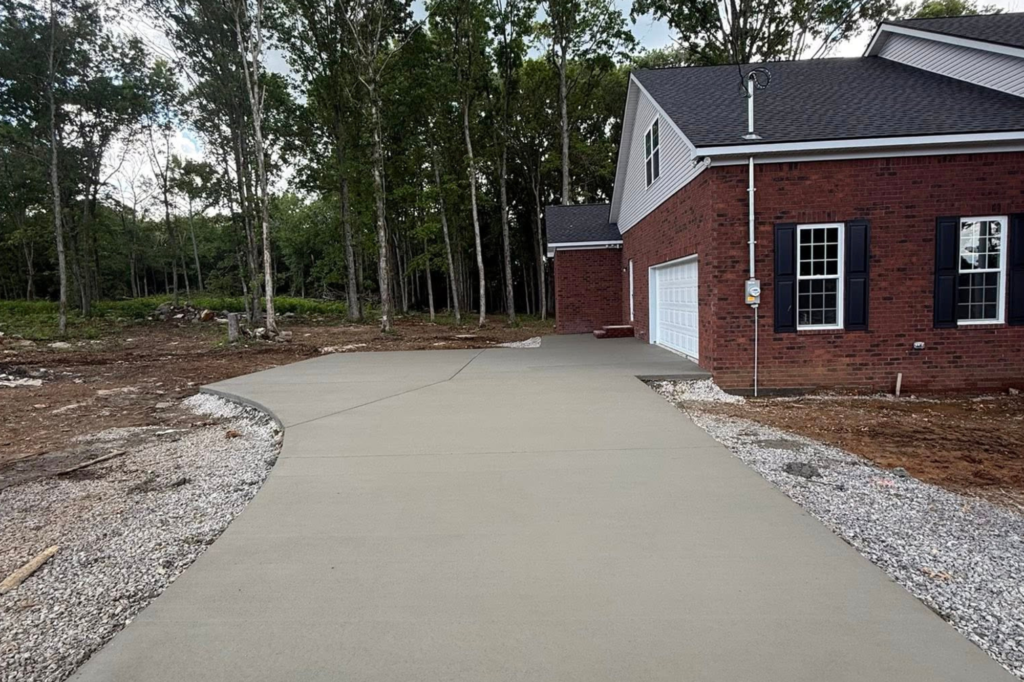
Concrete offers long-term savings through durability and reduced maintenance. Asphalt often requires more frequent repairs, which can add up over the years. Pavers, while pricey initially, allow for easy repairs of individual units and provide a high-quality appearance that can enhance curb appeal. Choosing a concrete driveway in Murfreesboro, TN can help balance these factors, providing a durable surface that minimizes future repair costs.
Cost Comparison Table
| Factor | Concrete | Asphalt | Pavers |
| Upfront Cost | Higher | Lower | Highest |
| Long-Term Maintenance | Low | High | Moderate |
| Return on Investment | Good | Moderate | High |
During a home renovation project in Murfreesboro, the owner observed that concrete driveways offered significantly lower maintenance costs over several years than asphalt alternatives. Choosing a concrete driveway not only proved more cost-effective but also helped preserve the property’s functionality and curb appeal with minimal upkeep.
Debunking a Common Myth
Myth: Asphalt driveways are always cheaper over time.
Reality: While asphalt has a lower initial cost, frequent resealing and a shorter lifespan often make concrete more cost-effective over several decades. The durability and lower maintenance of a concrete driveway in Murfreesboro reduce overall costs in the long term. Many homeowners in Murfreesboro find that concrete offers the best balance between performance and maintenance over the years.
Applying This to Solve the Problem
- Assess Your Budget: Asphalt may be suitable if upfront costs are the priority, but concrete or pavers are better for long-term investment.
- Consider Traffic Load: Heavy vehicles and frequent use favor concrete or pavers.
- Factor in Climate: Areas with freeze-thaw cycles benefit from concrete or pavers rather than asphalt, which can crack more easily.
- Maintenance Willingness: Concrete requires minimal upkeep compared to asphalt or pavers, while pavers may need periodic maintenance but are easier to repair.
- Aesthetic Preferences: Pavers offer design flexibility, while concrete can be customized with color or texture. Choosing the right Murfreesboro concrete driveway can optimize both performance and visual appeal.
In Summary
When choosing between concrete, asphalt, and paver driveways, it’s crucial to weigh durability, maintenance, and cost-effectiveness. Elite Concrete in Murfreesboro offers concrete driveways that strike a strong balance between longevity and minimal upkeep. Asphalt is ideal for those seeking a lower initial investment, while pavers offer exceptional durability and customizable design options. Careful evaluation of these factors ensures you select a driveway that meets both your functional needs and your budget. Contact us today to get a free consultation and find the perfect driveway solution for your home!
People Also Ask
Q: Which driveway lasts the longest?
A: Paver driveways often last the longest due to their modular construction, followed by concrete.
Q: Is concrete more expensive than asphalt?
A: Concrete has a higher upfront cost but lower maintenance, making it cost-effective over time.
Q: How often do concrete driveways need sealing?
A: Concrete driveways usually require sealing every few years to maintain their surface.
Q: Can paver driveways handle heavy vehicles?
A: Yes, properly installed paver driveways can support heavy vehicles and are easy to repair if a section is damaged.
Q: Which driveway is best for the Murfreesboro climate?
A: Concrete and paver driveways are generally more durable in areas with freeze-thaw cycles, while asphalt may require more maintenance.