

Concrete slabs often develop cracks as they cure, but there are proven ways to minimize the problem. Managing the water mix, adding the right reinforcement, and following proper curing practices all go a long way in making the slab stronger and more durable. While it’s nearly impossible to eliminate cracking entirely, using these methods together helps create concrete that holds up well over time, ideal for driveways and other structural uses.
Understanding Why Concrete Cracks During Curing
Concrete is a robust and versatile material, but it is also prone to stress-related issues during its curing phase. Cracks often appear when the slab undergoes shrinkage, thermal changes, or structural stress. Understanding the reasons behind these cracks is the first step in preventing them.
Causes of Cracking
- Plastic Shrinkage
Plastic shrinkage occurs when moisture evaporates from the surface of fresh concrete too quickly. This can happen due to direct sunlight, wind, or low humidity. Slabs exposed to these conditions before setting can develop small surface cracks that may expand over time. - Drying Shrinkage
Concrete continues to lose moisture after it sets. This process, called drying shrinkage, can cause the slab to contract and crack. Proper curing is critical to slow down this moisture loss and allow the slab to develop full strength. - Thermal Cracking
Concrete generates heat during curing, known as the heat of hydration. If the temperature varies significantly across the slab or between the top and bottom surfaces, internal stress may cause thermal cracking. - Structural Stress
Improper reinforcement, uneven load distribution, or insufficient support under the slab can create stress points that lead to cracking. Driveway concrete slabs often carry significant weight, making reinforcement essential during construction.
Techniques to Minimize Cracking
Although it is impossible to completely eliminate all cracks, several strategies can significantly reduce the likelihood and severity of cracking.
Controlling Water Content
Water content is one of the most critical factors in preventing cracks. Concrete must contain just enough water to allow proper workability. Adding extra water on-site to make the mix easier to pour may seem convenient, but it increases the risk of shrinkage cracks. A low water-to-cement ratio ensures the slab gains strength uniformly while minimizing stress during curing.
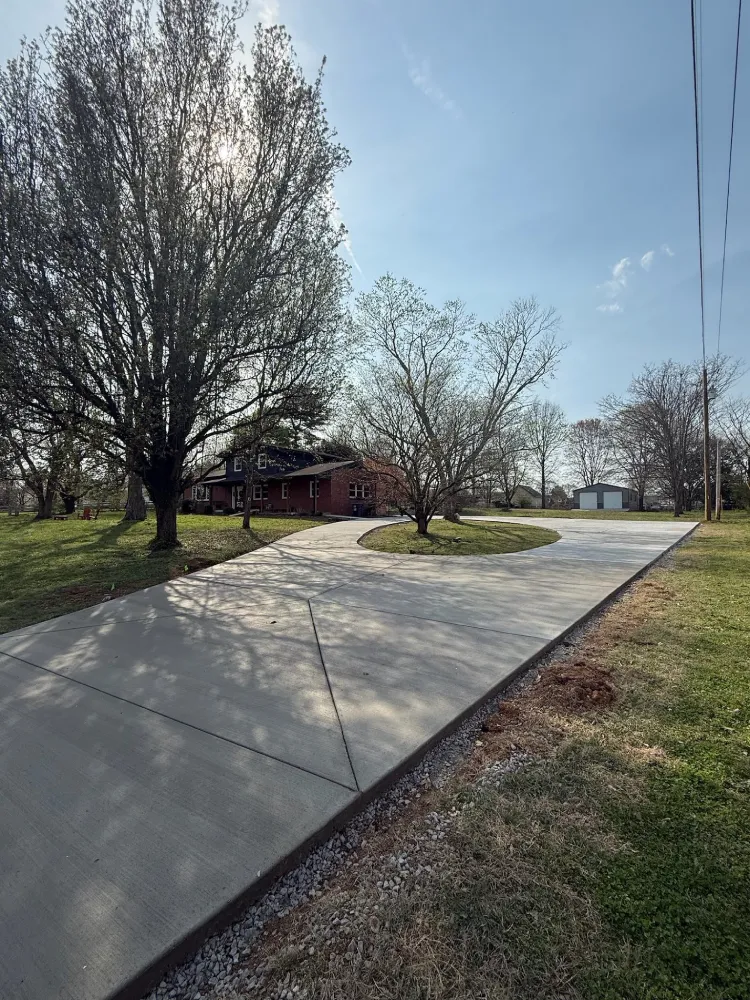
For example, properly adjusting water content during a concrete slab driveway project in Murfreesboro, TN, reduced visible cracking and resulted in a smoother, more durable surface. Keeping water content in check is a fundamental preventive measure for any slab exposed to heavy use.
Proper Mix Design
The concrete mix itself can play a major role in minimizing cracking. Including supplementary materials such as fly ash or slag can improve the mix’s durability and reduce shrinkage. Admixtures that help retain moisture and slow hydration can further prevent plastic shrinkage cracks.
Many contractors who install a concrete driveway in Murfreesboro emphasize that optimizing the mix before pouring is more effective than trying to correct problems after the fact. This proactive approach ensures stronger, more resilient slabs and reduces the need for costly repairs in the future.
Reinforcement Options
Reinforcement distributes stress and reduces the risk of structural cracking. Common reinforcement methods include:
| Method | Pros | Cons |
| Steel Rebar | High tensile strength, excellent structural support | Labor-intensive, higher cost |
| Wire Mesh | Reduces surface shrinkage cracks | Less effective for deep or structural cracks |
| Fiber Reinforcement | Controls microcracks and improves surface durability | Cannot replace steel for structural strength |
Choosing the right reinforcement depends on the intended use of the slab and expected load. Many homeowners and contractors in Murfreesboro TN, rely on rebar or mesh for residential driveways because it provides strong, long-term protection while maintaining a relatively simple installation process.
Curing Techniques
Curing is the process of maintaining adequate moisture in the concrete during its early stages. Proper curing helps the slab achieve maximum strength and durability while minimizing cracking.
- Water Curing
Applying water continuously or frequently over several days helps prevent rapid drying. Water curing ensures the slab remains hydrated, allowing it to harden evenly. - Curing Compounds
These compounds form a protective membrane on the concrete surface, reducing moisture loss and preventing shrinkage cracks. - Wet Coverings
Materials such as wet burlap or plastic sheeting help maintain surface moisture while shielding the slab from wind and direct sunlight during the early stages of curing.
During a recent installation of a Murfreesboro, TN, concrete driveway, a combination of water curing and protective coverings successfully minimized surface cracks, demonstrating that consistent moisture retention is crucial in hot or dry conditions.
Timing and Environmental Control
The timing of the pour and environmental conditions are also key factors in preventing cracks. Pouring during moderate temperatures is ideal, while extreme heat or cold can increase the likelihood of cracking. Protecting freshly poured slabs from wind, sun, and rapid temperature changes reduces the stress on the concrete.
Contractors in Murfreesboro often use temporary shading or covering for driveway projects to protect the concrete during curing. This careful environmental management is just as important as mix design and reinforcement in achieving a durable, crack-resistant surface.
Misconceptions: “Concrete Will Never Crack if You Add Fiber”
A common misconception is that adding fiber to concrete can completely prevent cracks. Fiber reinforcement is beneficial, but it primarily reduces microcracks and improves surface durability. It cannot stop structural or thermal cracks caused by uneven stress, shrinkage, or poor curing practices.
For example, a recent analysis of residential driveways showed that relying solely on fiber reinforcement without proper curing and reinforcement still led to minor cracking. This highlights that fiber is a supplemental measure, not a replacement for proper construction practices.
Applying This to Solve the Problem
Effectively preventing cracks in concrete slabs requires a systematic, step-by-step approach:
Step-by-Step Approach
- Plan Mix Design
Select a mix with minimal water content and consider supplementary materials to reduce shrinkage. - Prepare Site and Formwork
Ensure a level, compacted base and install expansion joints where needed to prevent stress buildup. - Reinforce the Slab
Install steel rebar, wire mesh, or fiber reinforcement according to load requirements and slab size. - Pour and Finish Carefully
Avoid overworking the surface and maintain a consistent slab thickness. - Cure Properly
Use water curing, wet coverings, or curing compounds to maintain consistent moisture during the early stages of setting. - Protect from Environmental Stress
Shade the slab from sunlight and protect it from wind to avoid rapid drying. - Monitor for Cracks
Small hairline cracks may appear, but are usually cosmetic if all steps are followed correctly. Using these strategies, homeowners have successfully maintained strong, long-lasting Murfreesboro concrete driveway installations.
In Summary
Preventing cracks in concrete slabs requires careful planning, attention to detail, and consistent execution, something Elite Concrete prioritizes on every project. Controlling water content, optimizing the mix, using proper reinforcement, and following correct curing methods all help reduce cracking. While no method guarantees a completely crack-free surface, these best practices ensure durable, long-lasting results. Driveways, patios, and slabs in Murfreesboro, TN benefit from this approach, delivering both strength and lasting visual appeal. Contact us today to learn more or get started on your project.
People Also Ask
Q: Can concrete slabs be poured in hot weather without cracking?
A: Yes, but precautions are necessary. Use shading, coverings, and consistent curing to reduce rapid drying and stress.
Q: How long should a concrete slab be cured to prevent cracks?
A: Maintaining moisture for several days after pouring is critical. This can be achieved with water curing, wet coverings, or curing compounds.
Q: Does adding fiber completely prevent concrete cracks?
A: No. Fiber reinforcement helps reduce surface microcracks but cannot prevent structural or thermal cracking.
Q: What is the most effective method to prevent driveway cracks?
A: Combining proper mix design, reinforcement, and consistent curing provides the best protection against cracking.