

Weather affects concrete installation and curing because temperature, humidity, wind, and rainfall directly influence how it sets, retains moisture, and develops strength. Proper weather management helps ensure proper curing, reducing the risk of cracking, surface defects, and long-term durability issues.
Why Weather Matters During Concrete Installation
Fresh concrete is highly sensitive to its environment.
As soon as concrete is placed, a chemical reaction called hydration begins. This reaction requires the proper balance of moisture and temperature to gain strength as intended.
Weather conditions can influence:
- Moisture retention
- Surface drying
- Strength development
- Finishing quality
- Long-term durability
Professional concrete contractors in Rockvale, TN, evaluate these conditions before every pour to determine the best installation strategy.
Temperature Plays a Major Role
Both hot and cold temperatures affect how concrete behaves.
Hot Weather
High temperatures can:
- Increase evaporation
- Accelerate setting time
- Make finishing more difficult
- Increase the risk of surface cracking
Contractors often adjust work schedules or implement moisture management techniques during warmer conditions.
Cold Weather
Lower temperatures may:
- Slow hydration
- Delay strength development
- Increase curing time
- Require additional protection
If temperatures approach freezing, contractors may postpone installation or use cold-weather placement methods to protect the concrete.
Wind Can Cause Moisture Loss
Wind often receives less attention than temperature, but it can significantly affect freshly placed concrete.
Strong winds increase evaporation, causing moisture to leave the surface more quickly than intended.
Potential consequences include:
- Plastic shrinkage cracks
- Uneven curing
- Surface imperfections
- Reduced finish quality
Experienced contractors monitor both temperature and wind conditions before beginning a project.
A homeowner in Salem planning a new driveway may not realize that a breezy day can influence curing almost as much as high temperatures.
Rain Creates Additional Challenges
Rain can interfere with concrete installation if it occurs before the surface has properly set.
Excess water may:
- Weaken the surface
- Affect finishing
- Wash away cement paste
- Delay construction schedules
Professional crews closely monitor weather forecasts and may delay placement or protect fresh concrete when rain is expected.
Careful planning helps minimize unnecessary risks while improving the finished product.
Humidity Influences Curing
Humidity affects how quickly moisture leaves fresh concrete.
Higher humidity generally slows evaporation, while lower humidity increases moisture loss.
Contractors evaluate humidity alongside temperature and wind when determining:
- Finishing schedules.
- Curing methods.
- Moisture management.
- Surface protection.
- Overall project timing.
Professional concrete contractors in Rockvale understand how these environmental factors work together throughout the curing process.
Setting and Curing Are Not the Same
Many homeowners assume concrete is fully cured once it becomes hard enough to walk on.
In reality, setting and curing are different stages.
Concrete Setting
Setting refers to the initial hardening process after placement.
During this stage:
- Concrete begins to stiffen.
- Surface finishing is completed.
- Initial strength develops.
Concrete Curing
Curing continues long after the surface has hardened.
During curing:
- Hydration continues.
- Strength increases.
- Durability improves.
- Internal moisture is maintained.
Proper curing is essential for achieving the performance expected from a professionally installed concrete surface.
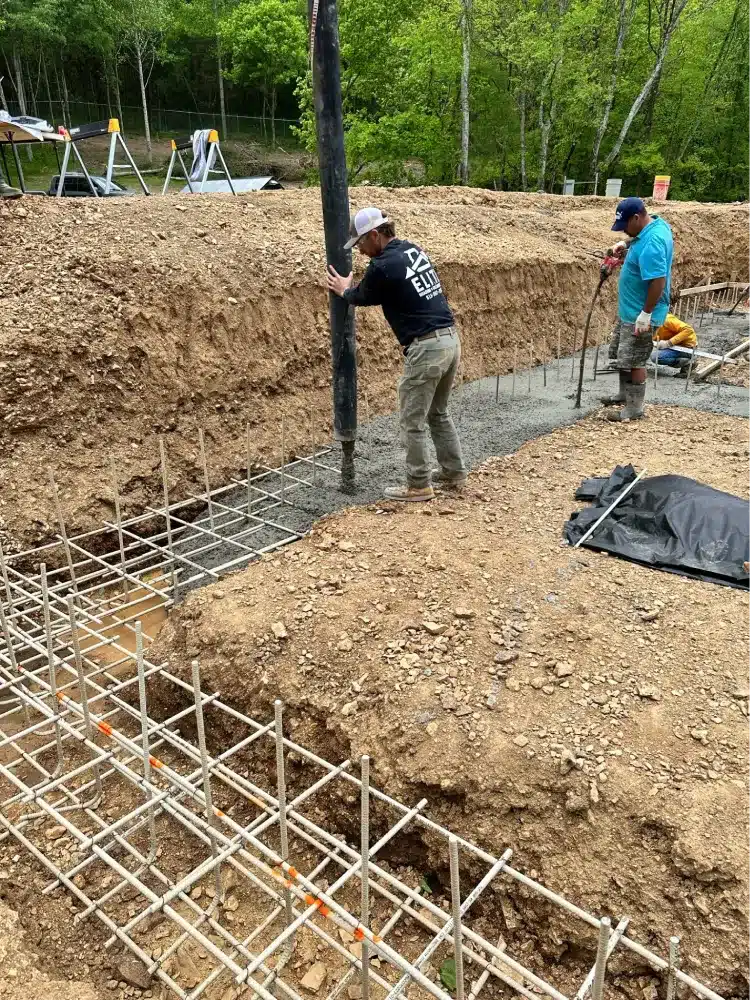
Contractors Adjust Their Process Based on Weather
Professional contractors do far more than simply pour concrete.
Depending on weather conditions, they may:
- Schedule pours during cooler hours.
- Apply curing compounds.
- Protect fresh concrete from rain.
- Maintain proper moisture levels.
- Use cold-weather protection methods.
These adjustments help produce stronger, longer-lasting concrete while reducing the likelihood of premature defects.
For example, a patio installation in Eagleville may begin early in the morning during the summer to reduce the effects of afternoon heat.
Proper Curing Improves Long-Term Performance
Concrete that cures under favorable conditions generally performs better over time.
Benefits of proper curing include:
- Increased strength
- Better durability
- Improved wear resistance
- Reduced cracking potential
- Longer service life
Whether installing a driveway, patio, sidewalk, or decorative concrete, proper curing remains one of the most important steps in the entire construction process.
A homeowner in Christiana investing in stamped concrete can benefit from careful curing practices that help preserve both appearance and structural integrity.
How Different Weather Conditions Affect Concrete Installation
| Weather Condition | Effect on Concrete Installation | Contractor Response |
| High temperatures | Faster moisture loss and quicker setting | Use moisture management techniques, adjust finishing times, and schedule pours during cooler parts of the day |
| Cold temperatures | Slower hydration and strength development | Apply cold-weather protection methods and monitor temperatures closely |
| Rain | Can weaken the surface and interfere with finishing | Delay the pour when necessary or protect fresh concrete from rainfall |
| Wind | Increases evaporation and the risk of surface cracking | Use windbreaks, curing compounds, and monitor evaporation rates |
| High humidity | Slows evaporation and affects finishing schedules | Adjust finishing techniques and monitor curing progress |
Every concrete project is unique, so experienced contractors evaluate the combined effects of temperature, humidity, wind, and precipitation before determining the safest and most effective installation plan.
Concrete Installation Terms Every Property Owner Should Know
Understanding these common terms can help you better understand the concrete installation process and why weather plays such an important role.
- Concrete Curing: The controlled process of maintaining proper moisture and temperature so the material gains strength and durability after placement.
- Concrete Setting: The initial hardening stage when the material becomes firm enough for finishing before the longer curing process continues.
- Hydration: The chemical reaction between cement and water that allows the material to harden and develop long term strength.
- Curing Compound: A liquid product applied to freshly placed surfaces to help retain moisture and promote consistent curing.
- Control Joint: A planned groove that helps manage natural shrinkage and encourages cracks to form in controlled locations.
- Slump: A measurement used to evaluate the consistency and workability of freshly mixed material before placement.
Myth: Concrete Cures in Exactly 28 Days Regardless of the Weather
A common misconception is that every concrete project fully cures in exactly 28 days.
In reality, concrete is often tested for its design strength at approximately 28 days under standard conditions, but weather significantly influences how quickly strength develops. Temperature, humidity, wind, and moisture retention all affect the curing process. Concrete continues to gain strength beyond 28 days, and unfavorable weather may slow or alter its rate of development.
Professional Rockvale TN concrete contractors monitor weather conditions before, during, and after installation to help ensure the concrete cures as intended and achieves long-term durability.
Best Practices for Weather-Aware Concrete Installation
Following proven installation practices helps improve the quality and longevity of concrete projects.
- Monitor weather forecasts before scheduling the pour.
- Avoid placing concrete during severe weather whenever possible.
- Maintain proper moisture during the curing process.
- Protect fresh concrete from heavy rain and freezing temperatures.
- Schedule work during favorable temperatures when practical.
- Apply curing compounds or protective coverings when appropriate.
- Work with experienced professionals who understand weather-related installation techniques.
Proper planning helps reduce the risk of premature cracking, uneven curing, and other avoidable issues.
In Summary
Weather plays a critical role in the success of any concrete installation, affecting how it sets, cures, and performs over time. Proper planning, weather management, and curing practices help maximize strength, durability, and appearance.
If you’re looking for experienced concrete contractors in Rockvale, TN, trust Elite Concrete for professional installation and dependable results. Our team uses proven techniques and carefully evaluates weather conditions to deliver durable, long-lasting concrete surfaces.
Contact us today to schedule a consultation and learn how our expertise can help deliver durable, attractive concrete solutions built to withstand the elements for years to come.
People Also Ask
Why does weather affect concrete curing?
Weather affects how quickly moisture evaporates and how efficiently the hydration process occurs. Temperature, humidity, wind, and rainfall all influence how concrete develops strength over time.
Is it okay to pour concrete in hot weather?
Yes, concrete can be installed during hot weather, but contractors often adjust their procedures to reduce rapid moisture loss and help ensure proper curing.
Can rain damage freshly poured concrete?
Rain can affect freshly placed concrete if it falls before the surface has properly set. Professional contractors monitor forecasts and protect new concrete when necessary.
What temperature is too cold for concrete installation?
Cold temperatures slow hydration and strength development. Contractors evaluate forecasted temperatures and may delay installation or use cold-weather placement techniques depending on site conditions.
Why is curing more important than setting?
Setting is only the initial hardening stage. Curing is the longer process that allows concrete to continue developing strength, durability, and resistance to wear, making it critical to long-term performance.